
In an increasingly digital world, the significance of credit card security cannot be overstated. With the rise of e-commerce and online transactions, consumers are more vulnerable than ever to fraud and identity theft. According to a report by the Federal Trade Commission, millions of Americans fall victim to credit card fraud each year, leading to significant financial losses and emotional distress.
As a result, ensuring the security of credit card information has become a paramount concern for both consumers and businesses alike. The implications of inadequate security measures extend beyond individual losses; they can tarnish a company’s reputation and erode customer trust, which is essential for long-term success. Moreover, the evolution of technology has introduced new avenues for cybercriminals to exploit vulnerabilities in payment systems.
Traditional security measures, such as magnetic stripe cards and basic encryption, are no longer sufficient to protect sensitive financial data. As hackers become more sophisticated, businesses must adopt advanced security protocols to safeguard their customers’ information. This necessity has led to the development of innovative solutions like tokenization and biometric authentication, which offer enhanced protection against unauthorized access and fraud.
By prioritizing credit card security, businesses not only protect their customers but also position themselves as trustworthy entities in a competitive marketplace.
Understanding Tokenization: How It Works and Its Benefits
Tokenization is a cutting-edge security technology that replaces sensitive credit card information with unique identifiers known as tokens. When a transaction occurs, the actual credit card number is replaced with a randomly generated token that has no intrinsic value outside the specific transaction context. This means that even if a hacker intercepts the token during transmission, they cannot use it to make unauthorized purchases or access the original credit card information.
The process of tokenization significantly reduces the risk of data breaches and fraud, making it an attractive option for businesses looking to enhance their payment security. The benefits of tokenization extend beyond mere security enhancements. For businesses, implementing tokenization can lead to reduced compliance burdens associated with Payment Card Industry Data Security Standards (PCI DSS).
Since sensitive data is not stored on the merchant’s servers, the scope of PCI compliance is significantly narrowed, allowing companies to focus their resources on other critical areas. Additionally, tokenization can streamline the payment process for consumers by enabling faster transactions without compromising security. As customers become more aware of security measures, they are likely to favor businesses that utilize advanced technologies like tokenization, thereby fostering customer loyalty and trust.
Biometric Sign-In: The Future of Credit Card Security

Biometric sign-in represents a revolutionary shift in how consumers authenticate their identities during financial transactions. By leveraging unique biological traits such as fingerprints, facial recognition, or iris scans, biometric authentication provides a level of security that traditional passwords or PINs cannot match. The inherent uniqueness of biometric data makes it exceedingly difficult for fraudsters to replicate or steal, thereby offering an additional layer of protection for credit card transactions.
As smartphones and other devices increasingly incorporate biometric sensors, consumers are becoming more accustomed to this form of authentication, paving the way for its widespread adoption in financial services. The advantages of biometric sign-in extend beyond enhanced security; they also improve user experience by simplifying the authentication process. Consumers no longer need to remember complex passwords or worry about forgetting them; instead, they can quickly access their accounts with a simple touch or glance.
This convenience is particularly appealing in an era where speed and efficiency are paramount in online transactions. Furthermore, as biometric technology continues to evolve, it is expected to become even more accurate and reliable, further solidifying its role in the future of credit card security.
How Tokenization and Biometric Sign-In Work Together
| Tokenization and Biometric Sign-In | Benefits |
|---|---|
| Enhanced Security | Combining tokenization and biometric sign-in provides a multi-layered security approach, reducing the risk of unauthorized access. |
| Convenience | Biometric sign-in offers a seamless and user-friendly authentication process, while tokenization ensures that sensitive data is protected. |
| Reduced Fraud | By using biometric sign-in and tokenization, the risk of fraud and identity theft is minimized, providing a more secure environment for transactions. |
The integration of tokenization and biometric sign-in creates a formidable defense against credit card fraud and identity theft. When these two technologies are combined, they provide a multi-layered approach to security that addresses various vulnerabilities in the payment process. For instance, when a consumer initiates a transaction using biometric authentication, their identity is verified through unique biological traits before any sensitive information is transmitted.
Once authenticated, tokenization takes over by replacing the actual credit card number with a secure token for the transaction. This dual-layered approach ensures that even if one layer is compromised, the other remains intact. Moreover, the synergy between tokenization and biometric sign-in enhances user confidence in online transactions.
Consumers are more likely to engage in e-commerce when they know that their sensitive information is protected by advanced technologies that prioritize their security. This increased trust can lead to higher conversion rates for businesses as customers feel more secure in providing their payment details. Additionally, as both technologies continue to evolve, their integration will likely become more seamless and efficient, further enhancing the overall payment experience for consumers while minimizing risks for businesses.
Implementing Tokenization and Biometric Sign-In: Best Practices for Businesses
For businesses looking to implement tokenization and biometric sign-in effectively, several best practices should be considered. First and foremost, it is crucial to partner with reputable service providers that specialize in payment security solutions. These providers can offer guidance on selecting the right technologies and ensuring that they are integrated seamlessly into existing systems.
Additionally, businesses should conduct thorough risk assessments to identify potential vulnerabilities in their current payment processes and determine how tokenization and biometric authentication can address these weaknesses. Training employees on the importance of these security measures is another essential step in implementation. Staff should be well-versed in how tokenization works and how to assist customers who may have questions about biometric sign-in processes.
Furthermore, businesses should prioritize regular updates and maintenance of their security systems to stay ahead of emerging threats. This includes keeping software up-to-date and conducting periodic audits to ensure compliance with industry standards. By adopting these best practices, businesses can create a robust security framework that not only protects customer data but also enhances overall operational efficiency.
Addressing Concerns and Myths Surrounding Tokenization and Biometric Sign-In
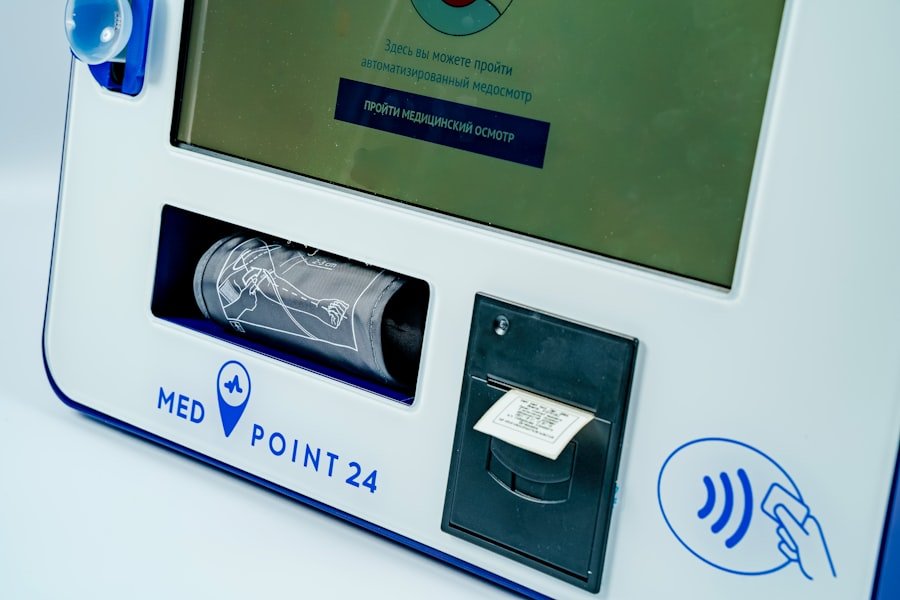
Despite the clear advantages of tokenization and biometric sign-in, several concerns and myths persist regarding their implementation and effectiveness. One common misconception is that biometric data is inherently insecure due to its permanence; once compromised, it cannot be changed like a password or PIN. While it is true that biometric data is unique and cannot be altered, modern systems employ sophisticated encryption techniques to protect this information during storage and transmission.
Additionally, many biometric systems do not store raw biometric data but rather create mathematical representations that are nearly impossible to reverse-engineer. Another concern revolves around user privacy; consumers may fear that their biometric data could be misused or exploited by companies. To address these concerns, businesses must be transparent about how they collect, store, and use biometric information.
Implementing strict data protection policies and ensuring compliance with relevant regulations can help alleviate consumer fears. Furthermore, providing customers with options regarding their biometric data—such as allowing them to opt-out or delete their information—can foster trust and encourage adoption of these advanced security measures.
The Role of Regulations and Compliance in Credit Card Security
Regulations play a critical role in shaping the landscape of credit card security by establishing standards that businesses must adhere to in order to protect consumer data effectively. The Payment Card Industry Data Security Standard (PCI DSS) is one such regulation that outlines comprehensive requirements for organizations that handle credit card transactions. Compliance with PCI DSS not only helps businesses safeguard sensitive information but also mitigates the risk of costly data breaches and associated penalties.
In addition to PCI DSS, various regional regulations such as the General Data Protection Regulation (GDPR) in Europe impose strict guidelines on how personal data should be handled. These regulations emphasize the importance of consumer consent and transparency regarding data usage. As businesses implement tokenization and biometric sign-in technologies, they must ensure that these solutions align with regulatory requirements to avoid legal repercussions.
Staying informed about evolving regulations will enable organizations to adapt their security practices accordingly while maintaining consumer trust.
The Future of Credit Card Security: Advancements in Tokenization and Biometric Sign-In
As technology continues to advance at an unprecedented pace, the future of credit card security looks promising with ongoing innovations in tokenization and biometric sign-in methods. Emerging technologies such as artificial intelligence (AI) and machine learning are being integrated into payment systems to enhance fraud detection capabilities further. These technologies can analyze transaction patterns in real-time, identifying anomalies that may indicate fraudulent activity before it occurs.
Additionally, advancements in biometric technology are expected to lead to even more secure authentication methods. For instance, multi-modal biometrics—combining various forms of biometric data such as fingerprints and facial recognition—could provide an even higher level of security by requiring multiple forms of verification before granting access to sensitive information. As these technologies evolve, they will likely become more accessible and affordable for businesses of all sizes, paving the way for widespread adoption across various industries.
In conclusion, the landscape of credit card security is rapidly changing as businesses embrace innovative solutions like tokenization and biometric sign-in methods. By prioritizing these advanced technologies and addressing consumer concerns through transparency and compliance with regulations, organizations can create a secure environment for online transactions while fostering trust among their customers. As we look ahead, it is clear that the future of credit card security will be defined by continuous advancements aimed at protecting sensitive financial information from ever-evolving threats.
FAQs
What is tokenization in credit card security?
Tokenization is a process where sensitive data, such as credit card numbers, are replaced with a unique token. This token can be used for transactions without exposing the actual card number, adding an extra layer of security.
How does biometric sign-in enhance credit card security?
Biometric sign-in uses unique physical characteristics, such as fingerprints or facial recognition, to verify a user’s identity. This adds an extra layer of security to credit card transactions, as it is much harder for someone to replicate or steal biometric data compared to traditional passwords or PINs.
What are some common biometric sign-in methods used for credit card security?
Common biometric sign-in methods for credit card security include fingerprint scanning, facial recognition, and iris scanning. These methods are increasingly being integrated into credit card systems to enhance security and prevent unauthorized access.
How do tokenization and biometric sign-in work together to improve credit card security?
Tokenization and biometric sign-in work together to provide a multi-layered approach to credit card security. Tokenization protects the actual credit card number during transactions, while biometric sign-in ensures that only authorized users can access and use the credit card, adding an extra level of protection against fraud and unauthorized use.